


Autumn Food in Japan: Seasonal Flavors and Culinary Traditions

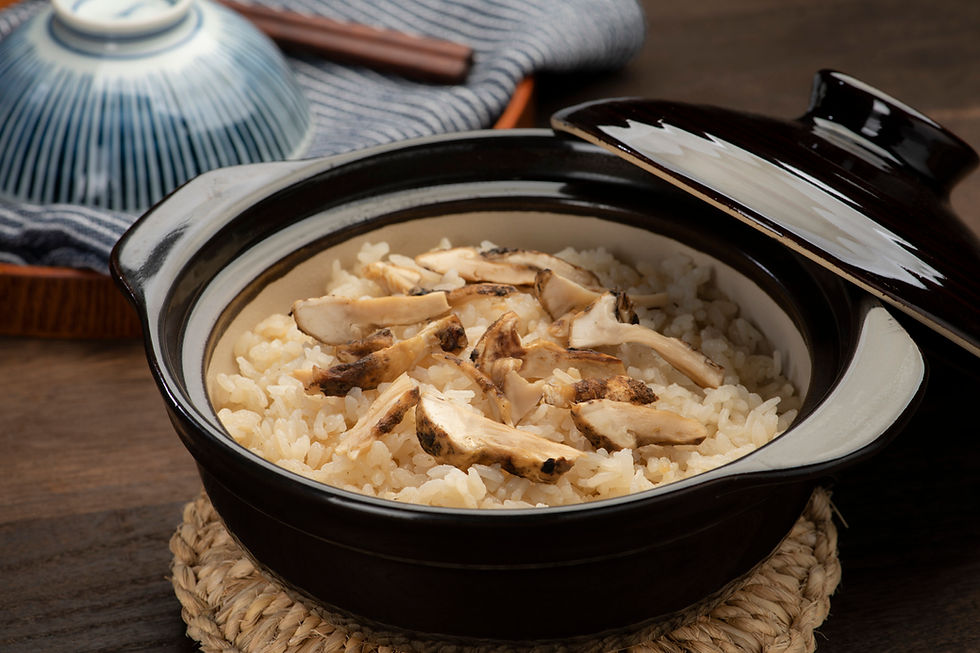
Autumn in Japan invites you to slow down and take time to admire the beauty of nature as the season changes.The season is marked by cooler air, peaceful morning walks, and Japan's autumn leaves in old forests and well-maintained gardens.
In Japan, people enjoy seasonal foods during this time. They use ingredients like mushrooms, fresh rice, fish, fruits, and chestnuts.
Autumn is often described in Japan as “Shokuyoku no Aki”, or the "season of appetite". Exploring the autumn food Japan is known for offers a chance to discover the importance of seasonality in Japanese cuisine. Whether dining at a historic luxury ryokan or visiting a regional brewery, enjoying autumn food in Japan allows travelers to experience the country’s most abundant harvest at their own comfortable pace.
Mountain Foraging Traditions: Matsutake Mushrooms
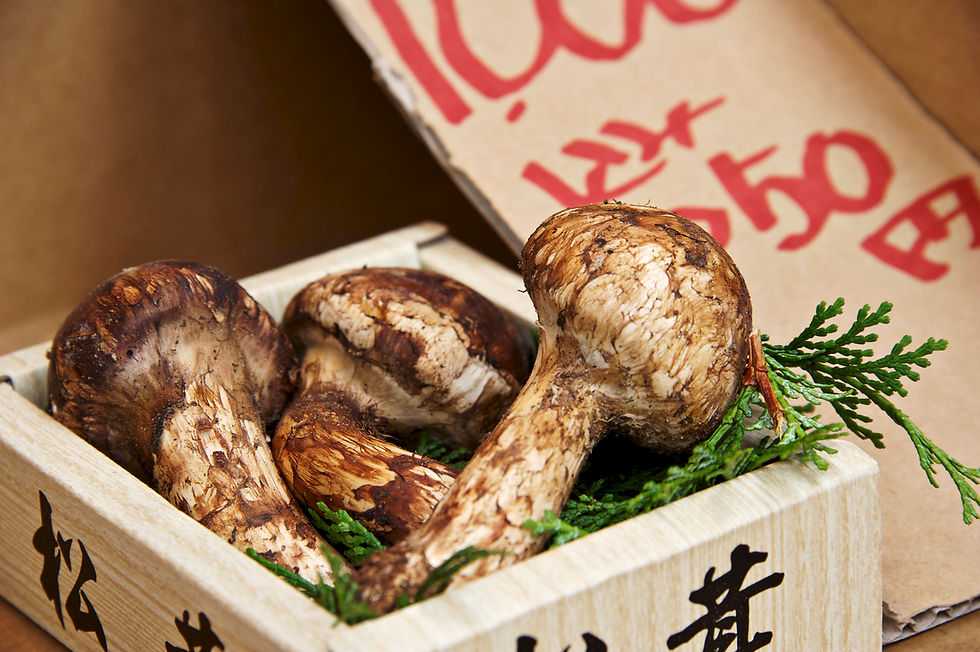
The arrival of autumn in the expansive woodlands of Japan brings a profound shift to the culinary landscape. Matsutake mushrooms are among the most prized ingredients of the season, celebrated for their intense, woody fragrance and deeply savory flavor. When seared over charcoal embers, the mushroom releases an unmistakable aroma that infuses the surrounding air before being served plain or folded into freshly harvested, fragrant rice. Understanding and experiencing the tradition of mushroom hunting in Japan is a wonderful way to appreciate the country's connection to the autumn harvest.
Treasures of the Sea: Sanma
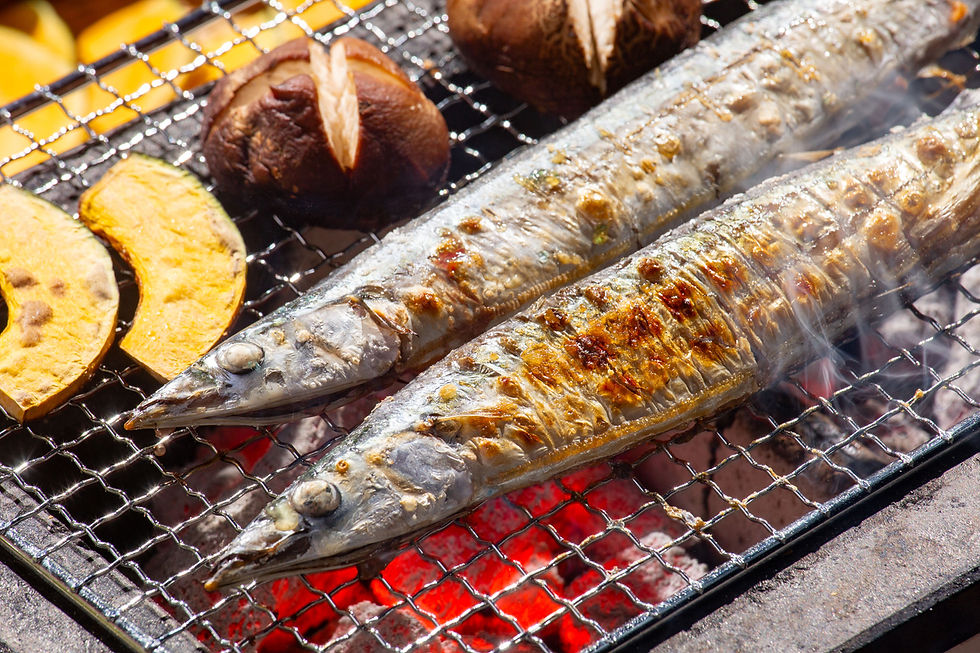
Moving from the mountains to the coastal areas, the seasonal shift brings a different array of rich, comforting flavors to the dining table. Japan’s sanma fish, also known as Pacific saury, are a true autumn staple. Traditionally grilled whole over charcoal embers with a light touch of sea salt, its skin turns crisp while retaining succulent, oil-rich meat that pairs well with grated daikon radish and a squeeze of fresh sudachi citrus.
Enjoying this Japan autumn food is best experienced at regional eateries or coastal dining establishments where chefs specialize in the charcoal grilling. Sitting down to a thoughtfully prepared seasonal meal allows you to fully appreciate the authentic coastal flavors of the season.
Comforting Autumn Classics: Pumpkin and Chestnuts
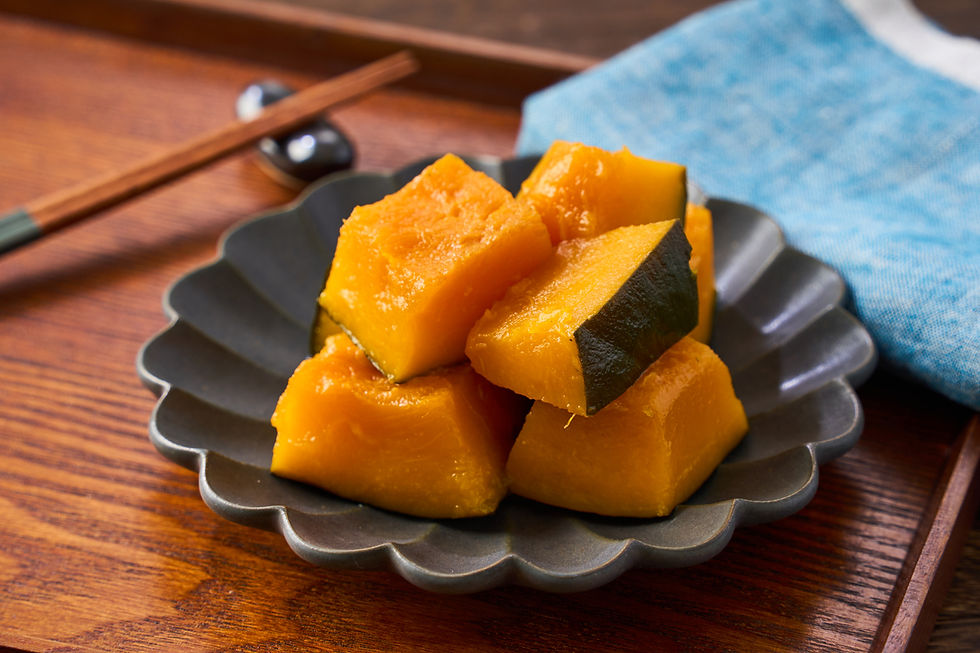
With the cooler, crisp weather of autumn, Japanese cuisine naturally shifts toward comforting meals. Kabocha, Japanese pumpkin, dishes highlight this cherished ingredient’s velvety texture and natural, honeyed sweetness. Slow-simmered in a savory dashi broth or fried into a light, golden tempura, kabocha offers a deeply satisfying flavor that can be savored on an autumn afternoon.
The autumn harvest also brings chestnut treats to the forefront. Chestnuts are widely used, appearing in everything from savory snacks to intricate confections. Roasted whole over open flames to draw out their sweet, nutty aroma, or steamed with white rice, these chestnut creations celebrate the earthy flavors that make autumn dining in Japan so memorable.
Sweets and Delights: Wagashi and Autumn Fruits
Beyond savory offerings, autumn invites a quiet appreciation for the natural sweetness of orchard produce and seasonal confections. Natural ingredients like chestnuts, sweet potatoes, and dried fruits are central to many Japanese autumn desserts, allowing their sweet flavors to come through without excessive sugar.
Persimmons and Harvest Fruits
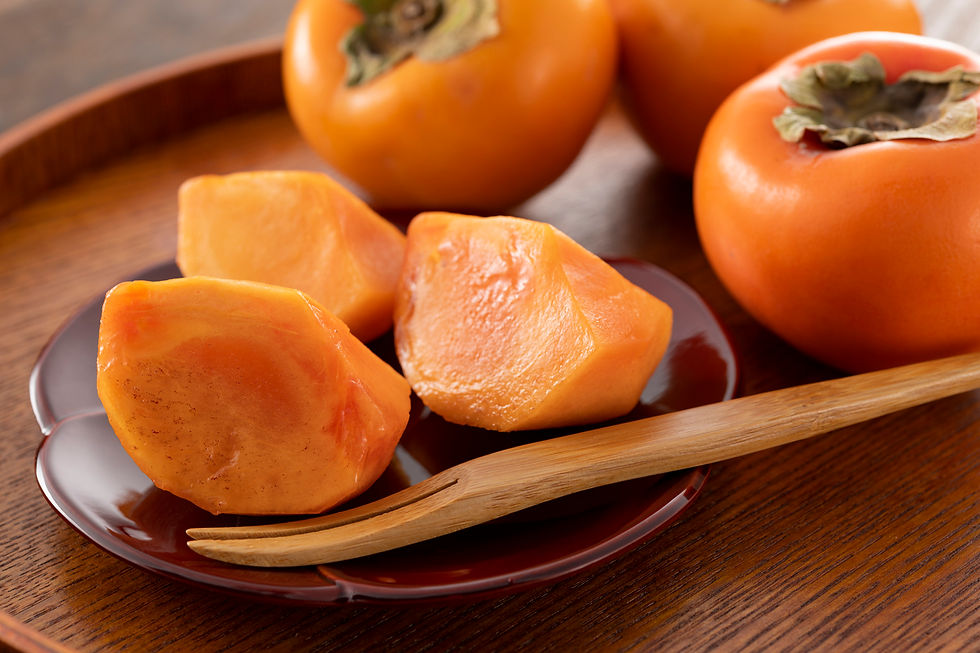
During persimmon season in Japan, rural orchards are filled with the vibrant orange of ripening fruit. Known as kaki, persimmons are eaten fresh or hung beneath wooden eaves to dry slowly, a traditional method that deepens their sweetness and softens the fruit.
Beyond this, the autumn fruits Japan cultivates include crisp, fragrant apples from Aomori and sweet, dark grapes from Nagano. Both regions are renowned for their fruit, with varieties prized for their sweetness, freshness, and distinctive character. They are often enjoyed fresh at the height of the season
Tsukimi Dango and Momiji Tempura
Harvest traditions are also inextricably linked to artisanal sweets. Autumn in Japan is synonymous with moon viewing (tsukimi), celebrated with Tsukimi dango, which are chewy, round rice dumplings served as an offering to the glowing autumn moon. Enjoying these simple confections in a quiet garden setting in Kyoto offers a peaceful moment of contemplation.
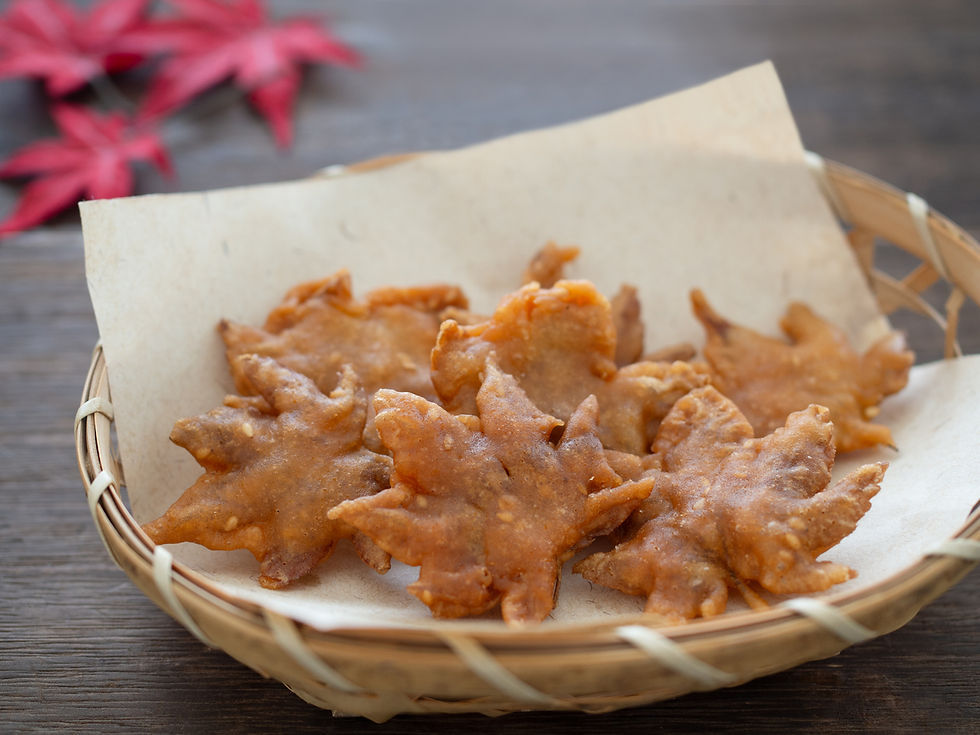
In the Kansai region, particularly near Kyoto and Osaka, local craft takes a unique form in Momiji tempura. Maple leaves specially cultivated for culinary use are carefully harvested at their peak, then preserved in salt for up to a year before being dipped in a lightly sweetened batter and fried to a delicate crunch. Rather than a casual snack, it represents a time-honored tradition that captures the fleeting beauty of the autumn foliage in a crisp, bite-sized treat.
Autumn Food Culture: Slow Travel and Local Connections
Traveling off the beaten path in Japan means taking the time to explore lesser-known regions and discover local traditions at an unhurried pace. Embracing slower travel provides more time to enjoy authentic local dishes, visit quiet countryside communities, and appreciate the craftsmanship behind the autumn food Japan is famous for.
Local Harvest Festivals and Regional Traditions
Across rural Japan, autumn harvest festivals bring communities together to celebrate the season’s crops. In regions such as Tohoku, these gatherings can include shared meals featuring freshly harvested rice, vegetables, and other seasonal ingredients, alongside ceremonies and events rooted in local agricultural traditions. For travelers, they offer a chance to see how the harvest is celebrated at a community level and how it shapes regional food culture.
Regional Breweries and Culinary Craftsmanship
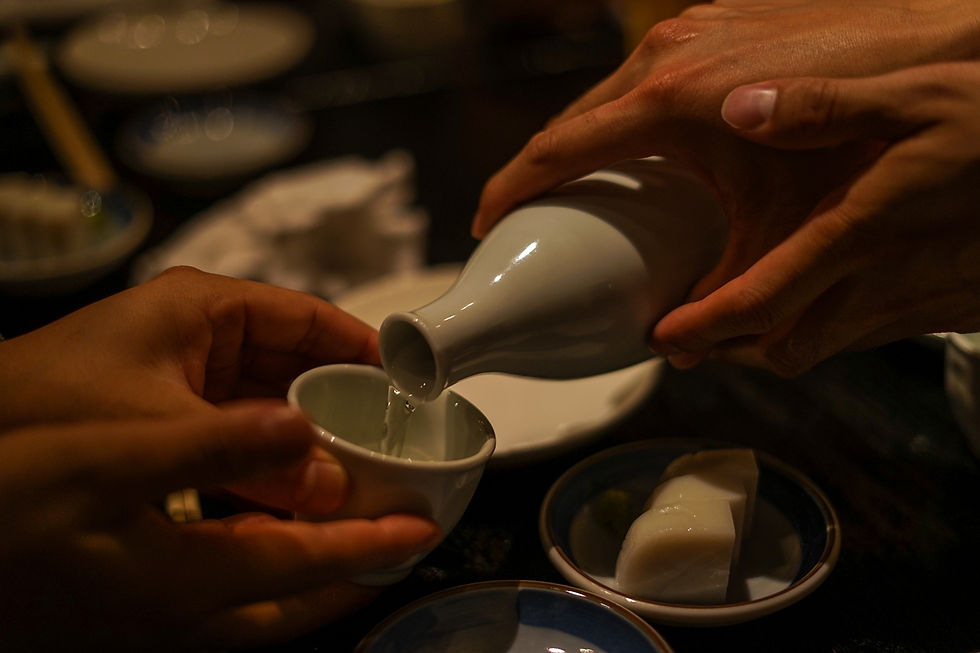
A deeper understanding of Japanese food culture extends to its centuries-old brewing traditions. Autumn marks the release of hiyaoroshi, a specialized type of sake that is brewed during winter, matured quietly through the warm summer months, and released when the autumn air turns crisp. The resulting sake possesses a smooth, rounded body and complex depth that complements the richer flavors of seasonal dining.
Visiting historic breweries or regional distilleries in areas like Kagoshima allows travelers to taste these mature expressions near their source, where pristine mountain water and unique microclimates shape the craft.
Crafting Your Culinary Journey
Autumn is one of the best seasons to explore Japan, combining breathtaking scenery with comfortable weather, seasonal ingredients, and rich culinary traditions. The foundation of the autumn food Japan offers lies in the way regional menus evolve as seasonal ingredients reach their peak throughout the season
There is no single way to experience autumn. You might admire the changing foliage through quiet mountain valleys, spend an early morning walking through historic gardens, or savor sake at a countryside distillery. At Untold Japan, we draw on our local knowledge and relationships across the country to create bespoke journeys that go beyond the usual routes. We help you discover the places, people, and flavors that make the season worth traveling for, allowing you to move comfortably at your own rhythm.

Why is autumn called Shokuyoku no Aki in Japan?
Autumn is called Shokuyoku no Aki, or the season of appetite, because seasonal ingredients are at their peak. Fresh rice, mushrooms, fish, fruit, chestnuts, and other harvest foods make the season especially rich in Japanese cuisine.
What are some of the most important autumn foods to try in Japan?
Key autumn foods include matsutake mushrooms, grilled sanma, kabocha, chestnuts, persimmons, apples from Aomori, grapes from Nagano, tsukimi dango, and momiji tempura. Together, these foods show Japan's focus on seasonality, local character, and a close bond with nature.
Where can travelers experience Japan's autumn food culture beyond major cities?
Travelers can explore Hokkaido, Tohoku, and Nagano for mushroom traditions and forest flavors, coastal areas for charcoal-grilled sanma, rural regions like Kumamoto and Tohoku for harvest festivals, and places like Kagoshima for regional breweries and distilleries.
What makes hiyaoroshi sake special in autumn?
Hiyaoroshi is brewed in winter, aged through the warm summer months, and released when the autumn air turns crisp. Its smooth body and deep flavor suit richer autumn dishes very well.
Comments